

What Are Your Values, Really
Your values are not goals or rules. A Carlsbad psychologist explains what values really are in ACT, how to find yours, and why they steady a hard life.
Undercurrent · Archive · Page 3 of 6
The archive
Your values are not goals or rules. A Carlsbad psychologist explains what values really are in ACT, how to find yours, and why they steady a hard life.

What it means for your mental health to live between two cultures, and why feeling at home in none of them is not a flaw. From a psychologist.

The harder you fight anxiety, the stronger it tends to get. A Carlsbad psychologist on how acceptance and commitment therapy changes your relationship to anxiety instead of trying to eliminate it.

Projection takes a feeling you cannot accept in yourself and hands it to someone else. Sean Noe, PhD explains why the mind does it, what it costs, and what helps when you are the one being handed a feeling that is not yours.
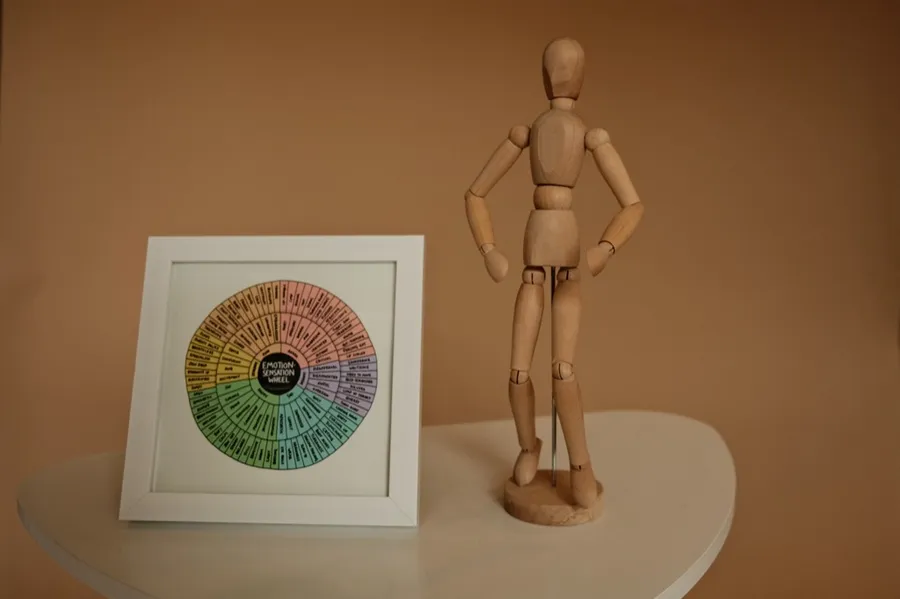
Accepting a painful reality does not mean condoning it. A Carlsbad psychologist on what acceptance actually asks of you, why fighting a feeling backfires, and how acceptance is what makes action possible.

Cultural competence is what a therapist knows. Cultural humility is what they do when they reach the edge of it. A psychologist on the difference, and why the second one matters more.

Letting go and giving up look almost identical from the outside and feel completely different inside. A Carlsbad psychologist on acceptance, resignation, and the line between them.
Many people feel like someone else in the days before their period. Naomi Wu, PsyD on what that experience means, and how to meet that version of you instead of fearing it.
Splitting is the mind's habit of seeing people, including yourself, as all good or all bad, with no middle. Sean Noe, PhD explains where the defense comes from, what it protects, and how therapy helps it soften.
Psychoanalytic diagnosis asks who you are, not just what symptoms you have. Jean Jho, PsyD explains levels of personality organization, character styles, and how the PDM differs from the DSM.