Faith matters, but it is not the whole agenda
You want a therapist who respects your Christian faith without turning every session into a Bible study. You came to work on your life, and you want your faith understood while you do it.
Faith-integrated therapy · North County San Diego
Several of our clinicians completed APA-accredited doctoral training at programs built around the integration of psychology and Christian theology. You get real clinical depth from someone who already understands the language of your faith, without therapy turning into spiritual direction. In Carlsbad, Encinitas, and Vista, or online across California.
4.9 on Google · 100+ reviews · Every clinician holds a doctorate in psychology

When your therapist does not get it
You have probably had the experience. You mention your faith in a session and the therapist goes quiet. Or nods politely. Or treats your beliefs as something to analyze rather than something that matters to you. It is a subtle kind of loneliness: you are sitting in the one room that is supposed to hold all of you, and a large part of who you are does not feel welcome in it.
On the other end, maybe you tried Christian counseling that felt closer to spiritual direction than therapy. Plenty of scripture, not much clinical depth. You left feeling like the actual psychological struggle, the anxiety or the marriage or the thing you have never said out loud, took a back seat to a lesson.
Neither option is good enough. You should not have to choose between a therapist who takes your faith seriously and one who provides excellent psychological care.
What we actually are
We want to be precise about this, because the label matters. Coastal Therapy Group is not a Christian counseling center and not a ministry. We are a doctoral psychology practice. What several of our clinicians bring is a specific and unusual credential: APA-accredited doctoral training at programs built around the integration of psychology and Christian theology, including Rosemead School of Psychology at Biola, Fuller, and George Fox.
Those are years of graduate study in how faith, meaning, identity, and relational patterns actually interact, taught inside clinical programs rather than alongside them. The practical result is a therapist who does not need the vocabulary explained, is not startled when God comes up, and is also fully equipped to treat anxiety, depression, trauma, and everything else that brings people to therapy.
So we do not use the Bible as a treatment manual, quote scripture at you, or prescribe spiritual solutions to psychological problems. If your relationship with God is part of how you understand yourself, that is something we know how to engage with carefully. If it is not, that is fine too. This is depth-oriented psychotherapy that has room for the whole person.
Who this fits
Every person’s relationship with their faith is different. Some clients want to explore spiritual themes directly. Others simply want to know their therapist will not dismiss that part of their life. Both are welcome.
You want a therapist who respects your Christian faith without turning every session into a Bible study. You came to work on your life, and you want your faith understood while you do it.
You mentioned your faith once and the room went quiet. Nothing hostile, just a careful neutrality that told you this part of your life was outside the scope of the work.
You tried faith-based counseling that felt closer to spiritual direction than therapy. Plenty of scripture, not much clinical depth, and your actual psychological struggles took a back seat.
You are a pastor, ministry leader, or seminary student who needs somewhere to put down what you cannot say to your congregation. We offer this as individual therapy.
You are wrestling with doubt, or with a belief you inherited rather than chose, and you want room to think it through rather than a therapist who will tell you where to land.
You and your partner want couples therapy with someone who understands how faith shapes the expectations and values inside a marriage.
An important distinction
This page is for people whose faith is something they want held and understood. That is one kind of work. There is another kind, and it deserves its own page: therapy for people who were harmed inside a religious community.
If what you are carrying is spiritual abuse, coercive control, a leader who violated your trust, or a church that punished honest questions, our religious trauma therapy page is the better starting point. The clinical work is genuinely different, and so is what you need from a therapist in the first session.
The line is not always clean, and it does not have to be. Doubt on its own belongs here. Doubt that came from being hurt belongs there. Plenty of people sit in both at once, and several of our clinicians work across the whole range, so you will not have to pick correctly before you have even started. Tell us what happened on the free call and we will point you to the right person.
Faith and therapy, answered
A Christian therapist is a licensed mental health professional who integrates an understanding of Christian faith into clinical practice. That is different from a biblical counselor or pastoral counselor, who may hold no clinical license and typically uses scripture as the primary framework. At Coastal Therapy Group, every clinician holds a doctorate in psychology.
Faith-integrated therapy is standard psychotherapy delivered by a clinician trained to engage your religious life as real and relevant rather than as background detail. Faith comes up when it is part of what you are working on, such as guilt, forgiveness, marriage, or meaning. It is not a substitute for clinical treatment, and it never means being told what to believe.
Not always. "Christian counseling" often describes ministry-based care, sometimes delivered by unlicensed counselors working from a biblical framework. Christian therapy, as we practice it, is licensed clinical psychology from clinicians whose doctoral training happened to be built around the integration of psychology and Christian theology. Both can help people; they are different services with different training behind them.
No. Our practice sees clients of every faith background and of none. Doctoral training in the integration of psychology and theology deepens a clinician’s grasp of how meaning, spirituality, and existential questions work in anyone’s life, whatever they believe.
Meet the team
Each of these clinicians did doctoral training at a program built around the integration of psychology and Christian theology, or carries a faith-related specialty in their own practice. Every clinician here holds a doctorate in psychology, and our postdoctoral fellows practice under the supervision of a licensed psychologist. Click any card for their full bio and approach.

Licensed psychologist · Encinitas, Vista + online
Founder. Rosemead-trained. Men’s issues, executives, depression, and personal growth. Teens, adults, couples.
Read bio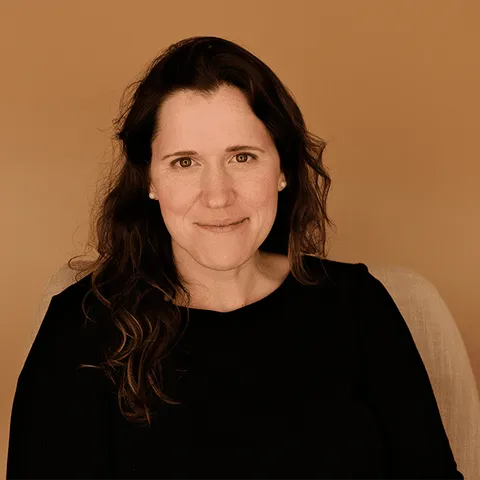
Licensed psychologist · Carlsbad, Vista + online
Co-owner. Rosemead-trained. Grief, life transitions, and identity. Adults and couples.
Read bio
Licensed psychologist · Online only
Rosemead-trained, George Fox internship. Faith and meaning, clergy care, and deconstruction. Adults and couples.
Read bio
Licensed psychologist · Carlsbad + online
Biola-trained. Christian and Catholic clients, cultural identity, and self-understanding. Adults and couples.
Read bio
Licensed psychologist · Carlsbad + online
George Fox doctorate. Spirituality and integration, identity, grief, and healing from shame. Teens and adults.
Read bio
Licensed psychologist · Carlsbad + online
Director of Couples Therapy. Rosemead-trained. Couples, marriage, complex trauma, and identity. Teens, adults, couples.
Read bio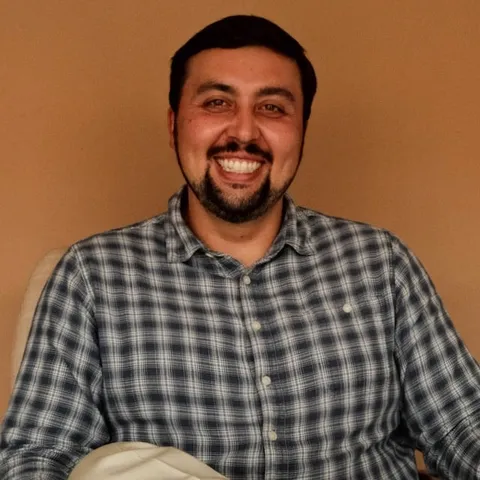
Postdoctoral fellow · Encinitas, Carlsbad, Vista + online
Fuller doctorate plus a master’s in theology. Meaning and purpose, faith development, and support for clergy. Teens and adults.
Read bio
Postdoctoral fellow · Carlsbad, Vista + online
Fuller doctorate. Spiritual and religious identity, intercultural couples, and child and teen therapy.
Read bioQuestions
No. Coastal Therapy Group is a psychology practice, not a ministry or a Christian counseling center. What we offer is faith-integrated therapy: several of our clinicians completed APA-accredited doctoral training at programs built around the integration of psychology and Christian theology, including Rosemead School of Psychology at Biola, Fuller, and George Fox. That means we do not use the Bible as a treatment manual and we do not provide spiritual direction. We provide clinically rigorous therapy from clinicians who understand the role faith can play in your inner life, your relationships, and your sense of meaning.
Not necessarily. But if your faith is an important part of your identity, working with a therapist who understands that part of your life can make a real difference. The therapeutic relationship is one of the strongest predictors of good outcomes in therapy, and that relationship tends to be stronger when your therapist understands your values and worldview. For many Christians, that means finding a clinician who will not treat faith as irrelevant, or as a symptom to solve.
A Christian therapist is a licensed mental health professional who integrates an understanding of faith into clinical practice. A biblical counselor may or may not hold a professional license, and typically uses scripture as the primary framework for addressing problems. Every clinician at Coastal Therapy Group holds a doctorate in psychology, and our postdoctoral fellows practice under the supervision of a licensed psychologist. We use evidence-based therapeutic approaches alongside doctoral training in the integration of psychology and theology.
Only if you do first. We follow your lead. Some clients want their faith to be a central part of the conversation. Others simply want to know their therapist will not be uncomfortable when spiritual themes come up. Both are welcome. We are trained to engage thoughtfully with questions of faith, and we will never push beliefs or use spiritual interventions without your invitation.
Yes. When you call for a free consultation, tell us this matters to you and we will match you with a clinician whose doctoral training was built around the integration of psychology and Christian theology. We describe our clinicians by their training rather than by their personal beliefs, which stay their own, and the consultation call is the right place to talk through what kind of fit you are looking for.
Yes. Doubt, deconstruction, and spiritual struggle are things our clinicians are well-equipped to sit with, and we will not tell you what to believe or steer you toward a conclusion. If your distress is tied specifically to harm you experienced inside a religious community, such as spiritual abuse, coercive control, or a church that punished honest questions, our religious trauma therapy page is the better starting point.
Yes, as individual therapy. Faith leadership carries pressures most people never see: the isolation of having no one in your congregation to talk to, the blurred line between your calling and your job, and the expectation that you hold everyone else steady. Dr. Noe, who holds a master's in theology alongside his doctorate, and Dr. Lowe both work closely with clergy and ministry leaders.
Absolutely. Our practice welcomes clients of every faith background and of no faith background. Doctoral training in the integration of psychology and theology also deepens a clinician's understanding of how spirituality, meaning-making, and existential questions show up in anyone's life, whatever they believe.
Yes. Several of our clinicians work with couples and have the training to understand how faith shapes the expectations, values, and dynamics inside a marriage. Whether you are working on communication, rebuilding trust, or navigating differences in how each of you practices, that is workable. Our couples therapy page has more.
Individual sessions are $230 to $300 per 45-minute session, depending on the clinician. There is no separate rate for faith-integrated work; it is the same doctoral-level therapy either way. We are an out-of-network practice and provide detailed superbills that many PPO plans reimburse. Full fees and insurance details are on our Cost + Info page.
Yes. We offer secure online therapy to anyone located anywhere in California, and Dr. Lowe, one of our clinicians with the deepest background in faith and spirituality, practices entirely online. Many clients mix in-person and online sessions depending on the week.
Ready when you are
One free 15-minute call with Kari. She will listen, answer your questions, and match you with a clinician who is a genuine fit. No pressure, and no runaround.
4.9 on Google · 100+ reviews · Serving North County since 2018
Where we are
All three offices are in North County San Diego. We see clients from across San Diego County in person, and anyone in California online.